
Season · revised 16 January 2026
The tyre rule follows the calendar, not the weather forecast.
Published . Updated . A clear afternoon on 20 November does not switch the rule off. A blizzard on 10 November can still close a pass.
Winter calendar
-
15 Nov
The rule starts
From this date through 1 March, a vehicle on the road needs tyres designed for winter conditions, or tyres with a tread depth of at least 4 mm.
-
4 mm
The tread alternative
The published text of Article 139 allows either winter tyres or sufficient tread. All-season tyres can meet it if they qualify and the tread is deep enough. Studs are not allowed.
-
1 Mar
The rule ends
Outside that window the usual minimum tread people cite is 1.6 mm. A pass can still be icy. The date is not a promise of spring.

What to put on the car
The Road Traffic Act has carried this winter rule since 2017. It applies whatever the sky is doing on the day. A fine for a breach has been the general penalty in the Act; after the euro changeover on 1 January 2026, older texts still show 50 leva. Read the current article for the euro amount rather than converting it in your head at the roadside.
Chains are a separate tool. They are what you need when a pass is open only for vehicles with chains fitted, a condition the road agency announces and the sign repeats. Keep a set in the car if the route crosses the Balkan range, Rila or the Rhodopes between November and March, even when the tyres already satisfy the 4 mm rule. Practice fitting them once in a dry car park. The gorge is a bad classroom.
Passes that close on their own
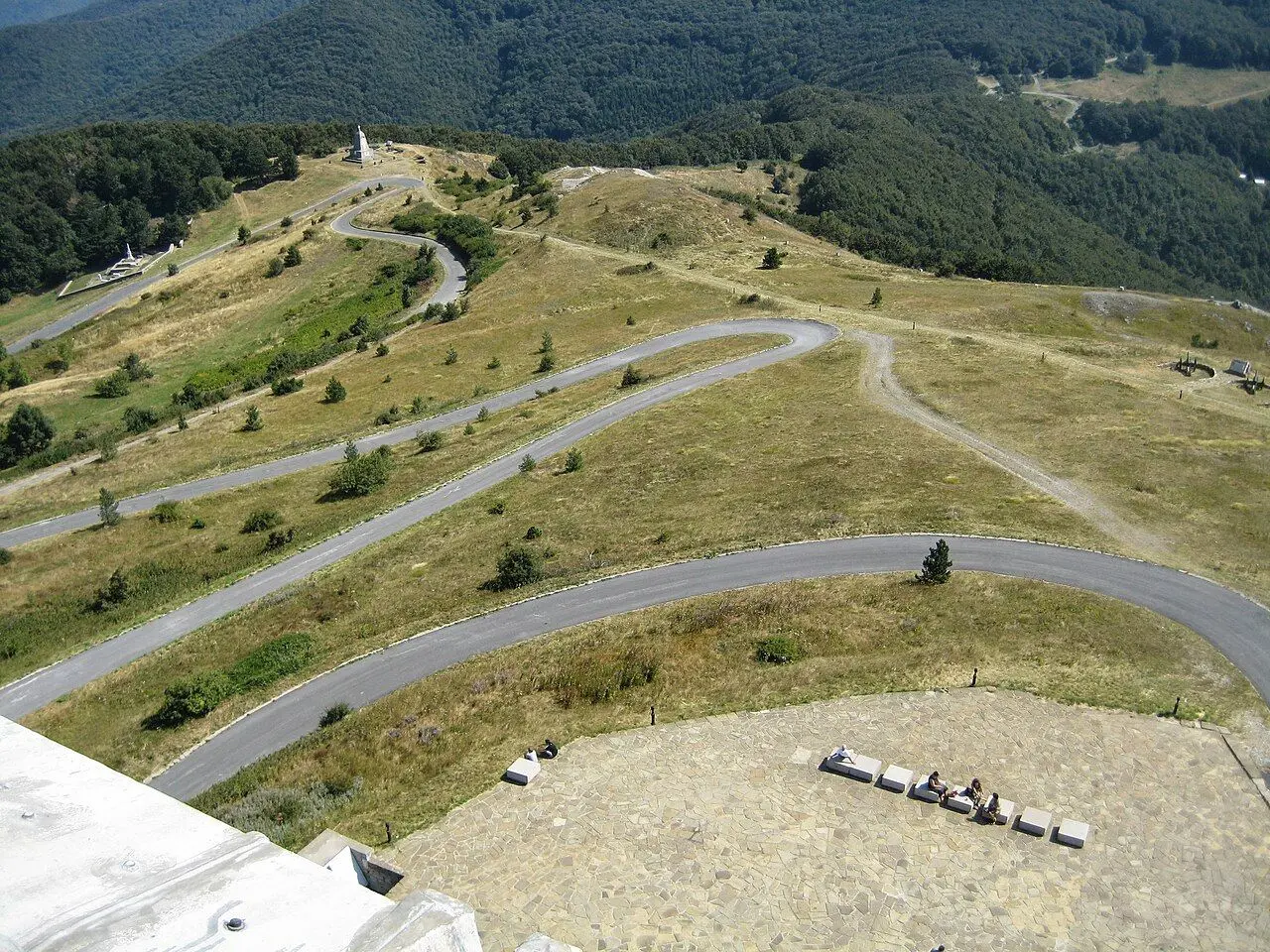
Shipka, Troyan (Beklemeto) and Petrohan are the three crossings drivers name first. Each can be shut, or limited to vehicles with chains, while the motorway in the plain is merely wet. A closure is a binary fact: the road agency’s bulletin and the barrier are the facts, and a navigation app that still draws a blue line is not.
If the pass is closed, turn around or take the signed diversion. An unmarked track over a ridge is not a diversion. It is how people spend the night in a ditch. The motorcycle page describes the same roads in summer; winter riding there is a specialist decision, not a default.
Motorways are not exempt from ice
Trakia crosses higher ground between Sofia and the plain, around Vakarel and the Sredna Gora approaches. Fog and a polished surface on bridges are ordinary. Hemus has viaducts that freeze before the fields beside them. Struma’s northern section holds snow on the ridges into spring, and the Kresna gorge lower down can be wet when the ridge is white.
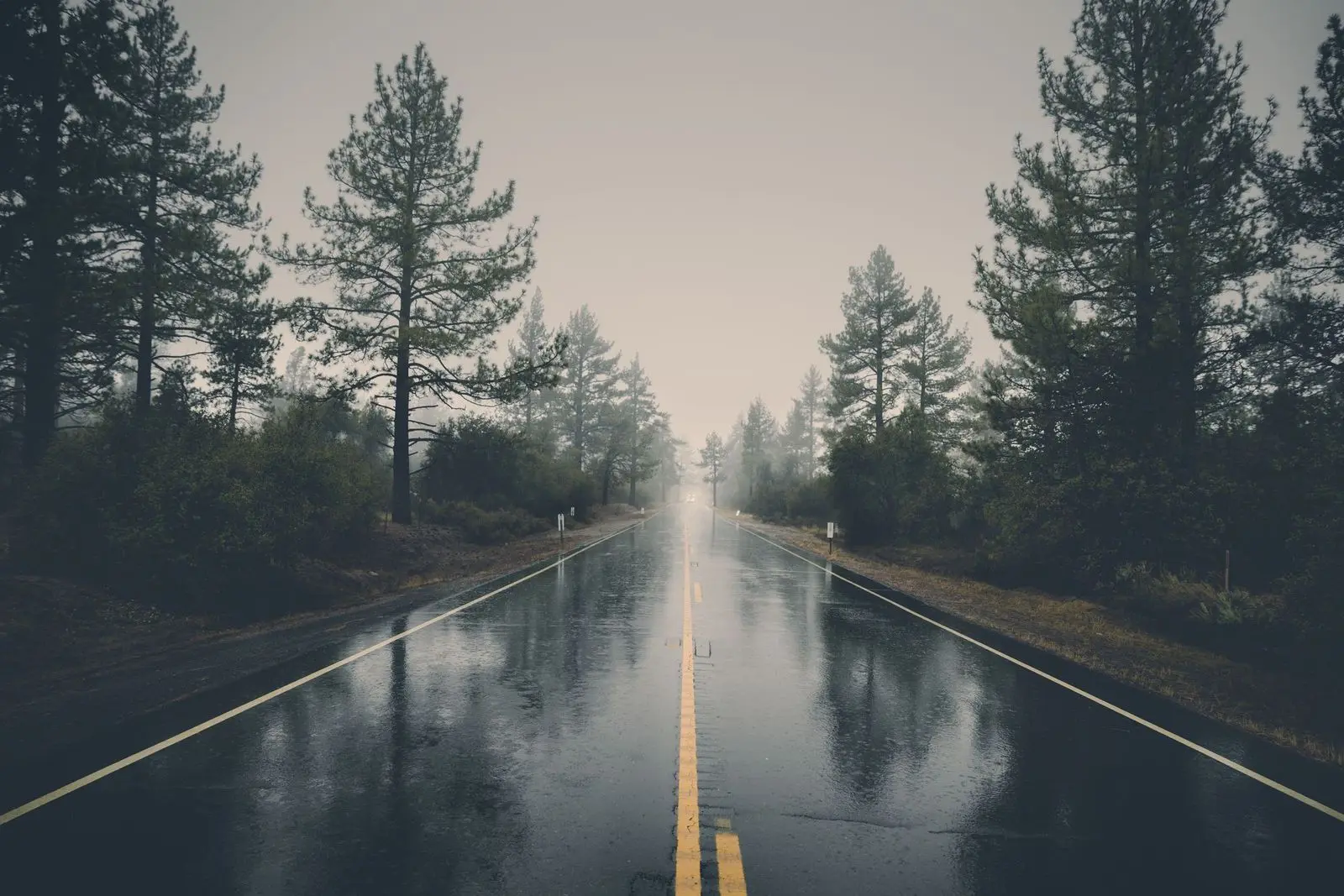
A 140 km/h motorway default is irrelevant on ice. The duty in the Act is to choose a speed from which you can stop for a foreseeable obstacle. Black ice is foreseeable in January on a bridge deck at dawn.
A winter morning list
- 1Look at the dates. Between 15 November and 1 March, check tread or winter tyres before you discuss the route.
- 2If the route includes a named pass, read that morning’s Road Infrastructure Agency note, not yesterday’s.
- 3Put the chains where you can reach them without unpacking the boot in the lane.
- 4Clear all glass, lights and the roof. A sheet of snow leaving the roof on Trakia is other people’s problem only for a second.
- 5Leave more time than the summer estimate. Hemus gaps and the gorge do not get shorter in the dark.
Where the rule is written
Article 139 of the Road Traffic Act is the tyre provision. Closure lists come from the Road Infrastructure Agency. This page was revised in January 2026, inside the winter window, against those public texts. It is not a forecast for a particular Monday.
Related: driving a car and speed and signs.