
Cars · revised 30 July 2026
A car is a category B problem, plus a vignette.
Published . Updated . This is a reading note for passenger cars and light vans up to 3.5 tonnes. It is not a driving test and not legal advice.
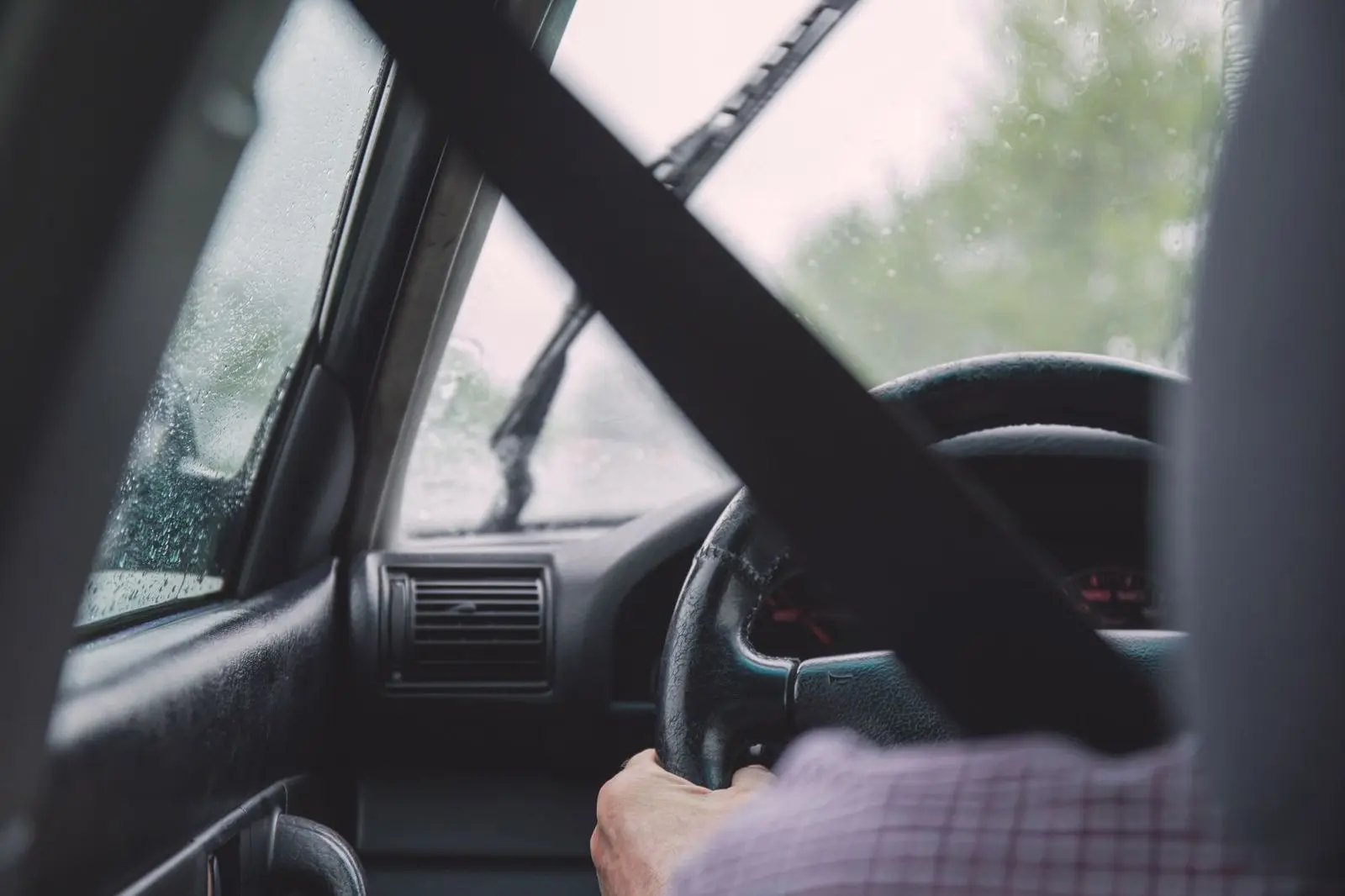
Which side, and which lane
Bulgaria drives on the right. On a marked road the default is the rightmost lane that is free. Overtaking is on the left. A dual carriageway with several lanes in a town, signed for no more than 80 km/h, is one of the situations where the public rules allow a driver to pick a suitable lane rather than hugging the right edge. Outside that case, cruising in the left lane of a motorway is how faster traffic stacks up behind you.
At a junction, the public summary of the Road Traffic Act sets a hierarchy: a traffic officer overrides a light, a light overrides a sign, a sign overrides a marking, and a temporary sign on a portable stand overrides the permanent sign it contradicts. In a work zone, believe the portable board.
Papers in the car
Carry a driving licence valid for a category B car, the vehicle registration, and insurance that actually covers Bulgaria. A green card is the familiar proof. If your policy does not include the country, border insurance exists as a product sold by insurers, not by tolbg. A rental agreement stands in for registration only if the rental company says so; read their page, not this one, for the excess and the vignette.
Equipment commonly required in a Bulgarian car is a warning triangle, a reflective vest, a first-aid kit and a fire extinguisher. Confirm the current equipment list if the car is foreign or newly rented. The vest is for when you step onto the road, not for the back of the seat. A right-hand-drive car, common with UK visitors, needs its headlamp beam adapted so you do not dazzle oncoming traffic.
Paying for the road
A car, and most goods vehicles up to 3.5 tonnes, needs an electronic vignette to use the paid national road network. Motorways and national roads are both in that idea. A short hop that never leaves municipal streets can fall outside it, but the edge of a town is a poor place to guess. The vignette and toll guide has the products and the 2026 prices published by the toll administration.
If a trailer or caravan is on the back, check that plate separately. The public tariff treats trailers as their own vignette category. A motorhome registered as M1 can stay in the vignette system even above 3.5 tonnes; a goods vehicle over that weight does not. When the registration document and the website category disagree, the document wins, and the fine follows the document.
Speed that is only a default
For a category B car the published defaults, where no sign says otherwise, are 50 km/h in a built-up area, 90 km/h outside it, 120 km/h on an express road and 140 km/h on a motorway. Motorcycles, buses, trucks and cars towing a substantial trailer have lower defaults. The full table is on the speed and signs page.
Towns often sign 40 or 30 near schools, and a residential zone is a different regime again: pedestrians may use the carriageway, and the speed is low. The sign, not the fact that you can see houses, is what creates the zone. On the motorway, a temporary 80 or 90 in a work zone replaces 140 for the length of the zone.
Habits that avoid the fine
The general alcohol limit in the public summary of the Act is 0.5 per mille. Newer drivers and some professional categories can be held to a stricter figure. If you are unsure which group you fall into, the cautious reading is not to drink before driving. Handheld phone use is restricted. Seat belts apply in front and, where belts are fitted, in the back.
Outside built-up areas, use dipped headlights if the car has no daytime running lights. The Act states the precise duty; the practical version is that an unlit car in a Hemus tunnel or in October rain is hard to see.
Friday afternoon toward Burgas on Trakia, and Sunday afternoon back, is a traffic event as much as a drive. Build a stop into the plan. Fuel stations exist along the motorways, but a nearly empty tank at the start of a gorge or a pass is a poor moment to discover a closed forecourt.
Emergency number: 112. The tolbg telephone on this website is not that service.
A short packing list
- Licence, registration, insurance proof.
- Vignette checked against the plate and the country code.
- Triangle, vest, first-aid kit, extinguisher.
- From 15 November to 1 March, winter tyres or at least 4 mm of tread. Details on winter roads.
- Cashless payment habits: vignette purchases on the official channels are card-based online. We do not take the payment.
Where these notes come from
Lane discipline, the sign hierarchy and the speed table follow the public English summary of the Road Traffic Act. Vignette scope follows toll-administration notices. Equipment and alcohol notes are the widely published national rules; the Act is the text that decides a dispute, and a police officer at the roadside is applying that text, not this page.
Next: signs, or the same country on two wheels.